Where it came from · Austin
Austin, 2001: the revival that stuck
Roller derby had been written off for decades. Then a group of skaters in Austin built leagues they owned themselves, and within a few years the sport was spreading across the world.
flat and bankedMost of the year
By the end of the twentieth century, roller derby looked finished. The professional banked-track game had collapsed in 1973, and the television revivals that followed had come and gone. Then, in the early 2000s, something different happened in Austin, Texas. A group of women started skating, and when the original plan fell apart, they took the sport into their own hands. The leagues they built did not depend on a promoter or a television deal. They depended on skaters, and that is why the revival lasted.
A false start and a takeover
The story usually begins around 2001, when the idea of reviving roller derby in Austin started gathering skaters. The early plan leaned on the old model: an organiser at the top, with skaters as performers. It did not hold together. Rather than let the project die, the skaters decided to run it themselves.
That decision changed everything. Skaters took on every job, from finding practice space and selling tickets to designing uniforms and training each other. They wrote rules, recruited referees and organised games. The league belonged to the people who skated in it, and decisions were made by its members rather than by an owner.
Austin was a natural home for this kind of project. The city had a strong live music scene, a large student population around the University of Texas and a habit of doing things independently. The early derby crowds overlapped with the punk and indie music audiences, and the look of the sport, with fishnets, bold team names and loud graphics, drew on that culture. The game felt like something you could join rather than simply watch, and that sense of ownership became the revival's defining feature. Anyone willing to learn to skate, take a hit and help out could find a place.
Flat track and banked track: the split
By around 2003, the skaters in Austin had divided over the direction of the sport. One group wanted to keep the banked track, the raised oval with sloping turns that had defined the professional era. The other group wanted to play on a flat floor.
The flat-track group went on to form the Texas Rollergirls. The banked-track group continued as a separate league, which became known as the Lonestar Rollergirls. Both kept playing in Austin, and for years the city was one of the few places where you could see both forms of the game.
The choice of a flat track turned out to be one of the most important decisions in modern derby. A banked track is expensive to build, needs storage space and takes a crew to assemble. A flat track can be marked out with tape and rope on almost any smooth floor, from a roller rink to a sports hall. That made it possible for a handful of skaters in any town to start a league without a large budget. The guide to flat track and banked track explains how the two games differ for spectators.
Why it spread so fast
The Austin model was easy to copy. You did not need a promoter, a television contract or a custom-built arena. You needed skates, protective gear, a floor and a group of people willing to do the work. Within a few years, leagues had formed in cities across the United States, and soon after in Canada, the United Kingdom, Australia and beyond.
Each new league borrowed from the ones before it. Skaters shared rules, training plans and advice on everything from insurance to ticketing. Early leagues hosted visitors from other cities and travelled to play each other, which built a network long before there was any formal structure. The internet helped enormously, letting skaters in different countries swap knowledge in a way that would have been impossible in the professional era.
Between jamsSmall-city derby: Tampa, Albany and the leagues that joinedPopular culture gave the revival a push too. A cable reality series about Austin's banked-track skaters aired in 2006, and a feature film set in the Texas derby scene followed in 2009. Both brought new fans and skaters to their local leagues.
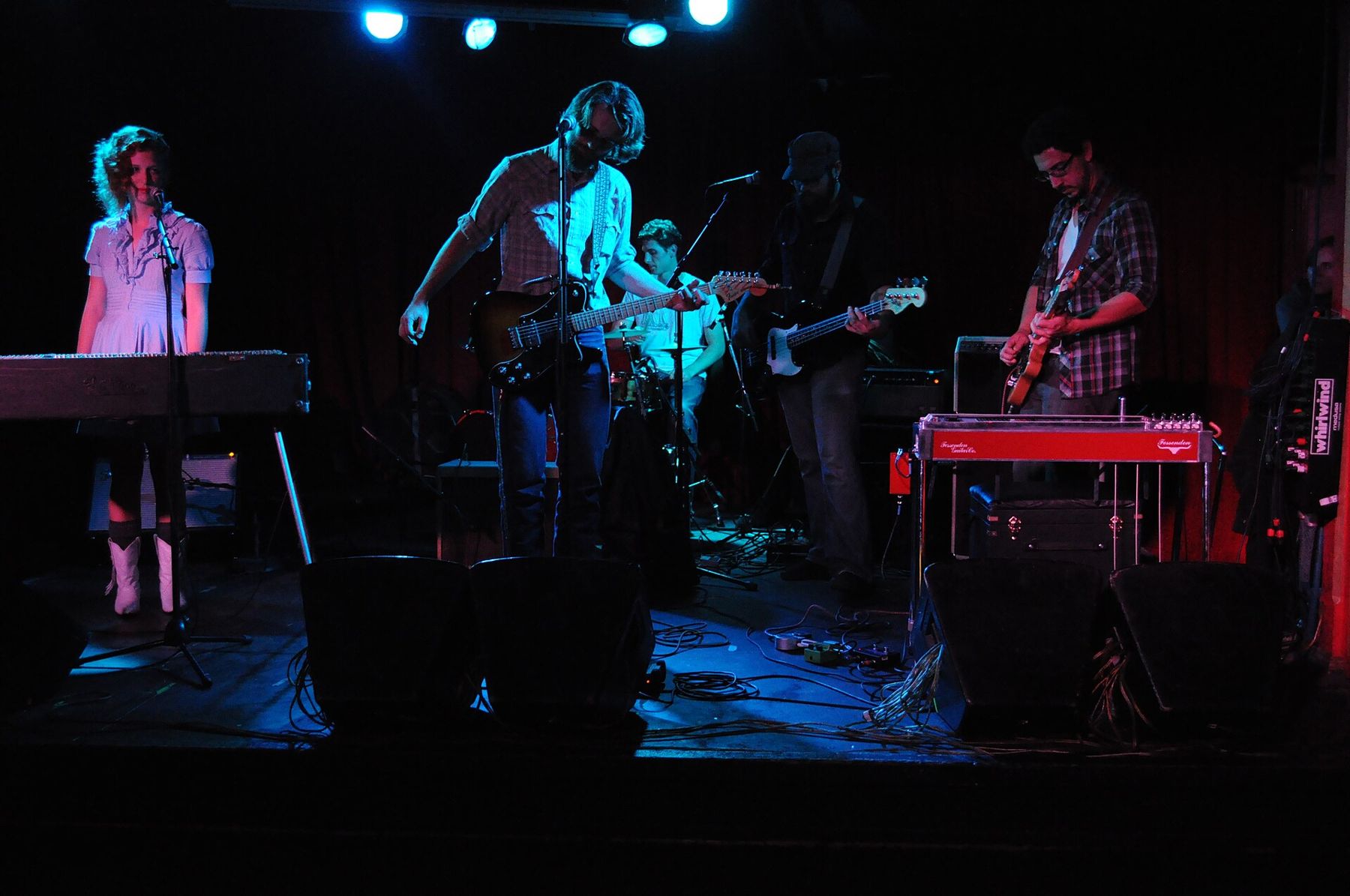
Fundraising shows like this one, where local bands play to raise money for a league, became a common part of the scene in many cities. They reflect how closely derby and independent music grew up together.
From local leagues to a governing body
As the number of leagues grew, skaters needed a shared set of rules and a way to organise games between cities. In the mid-2000s, a group of flat-track leagues, including the Texas Rollergirls, formed the organisation that became the Women's Flat Track Derby Association, or WFTDA. Like the leagues it represents, it is run by its members.
The WFTDA developed a common rule set, a ranking system and tournaments, and over time it welcomed leagues from around the world. Its rules are revised regularly, and the shape of the game today owes a great deal to the work that began in those early years. The guide to how the WFTDA grew follows that story further.
The leagues they built did not depend on a promoter or a television deal.
The revival also opened the door to other forms of the game. Men's leagues formed and organised their own association. Junior leagues gave younger skaters a path into the sport. Open-gender and inclusive teams followed. All of them grew from the same basic idea that came out of Austin: the people who play the game should run it.
Visiting Austin with the history in mind
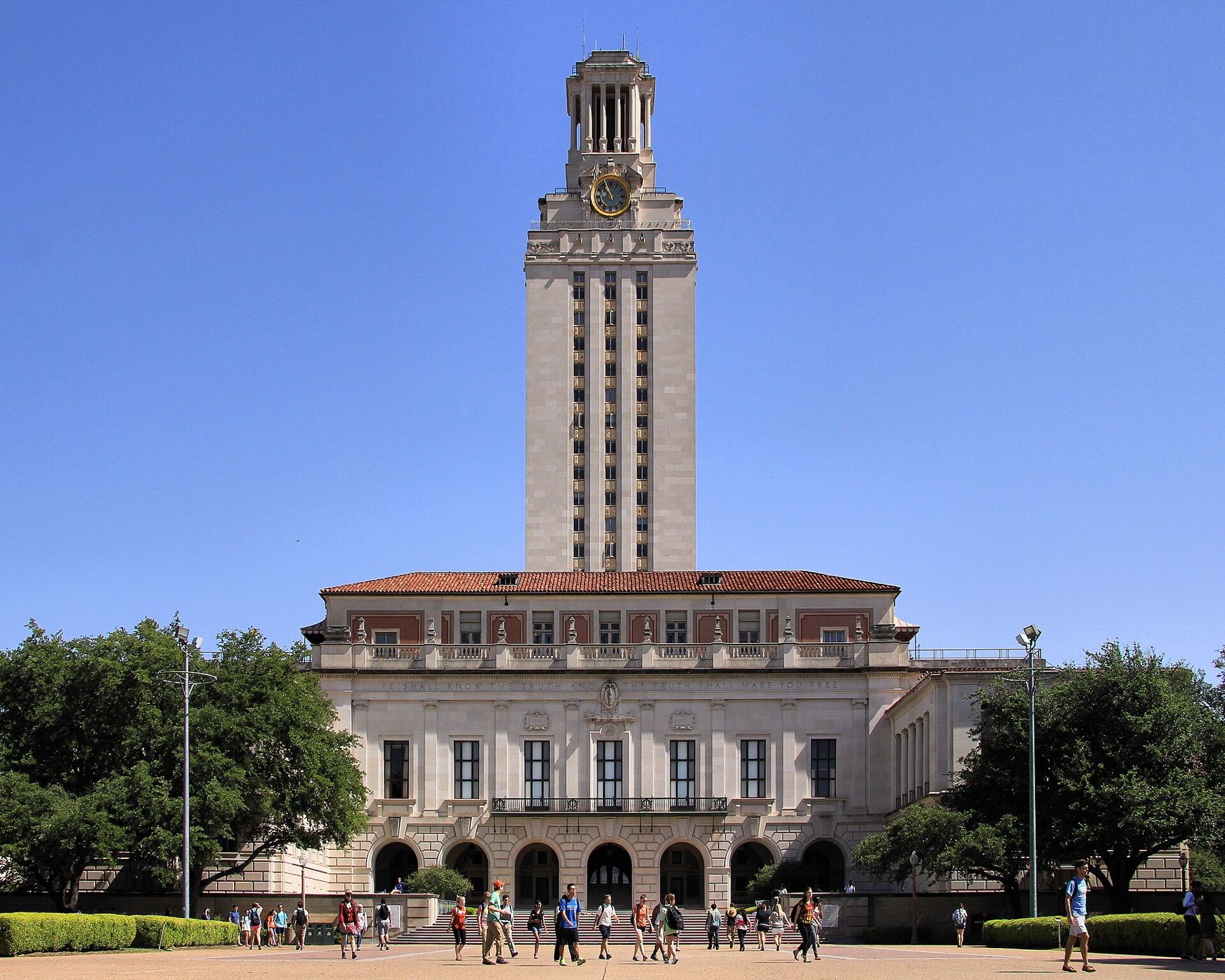
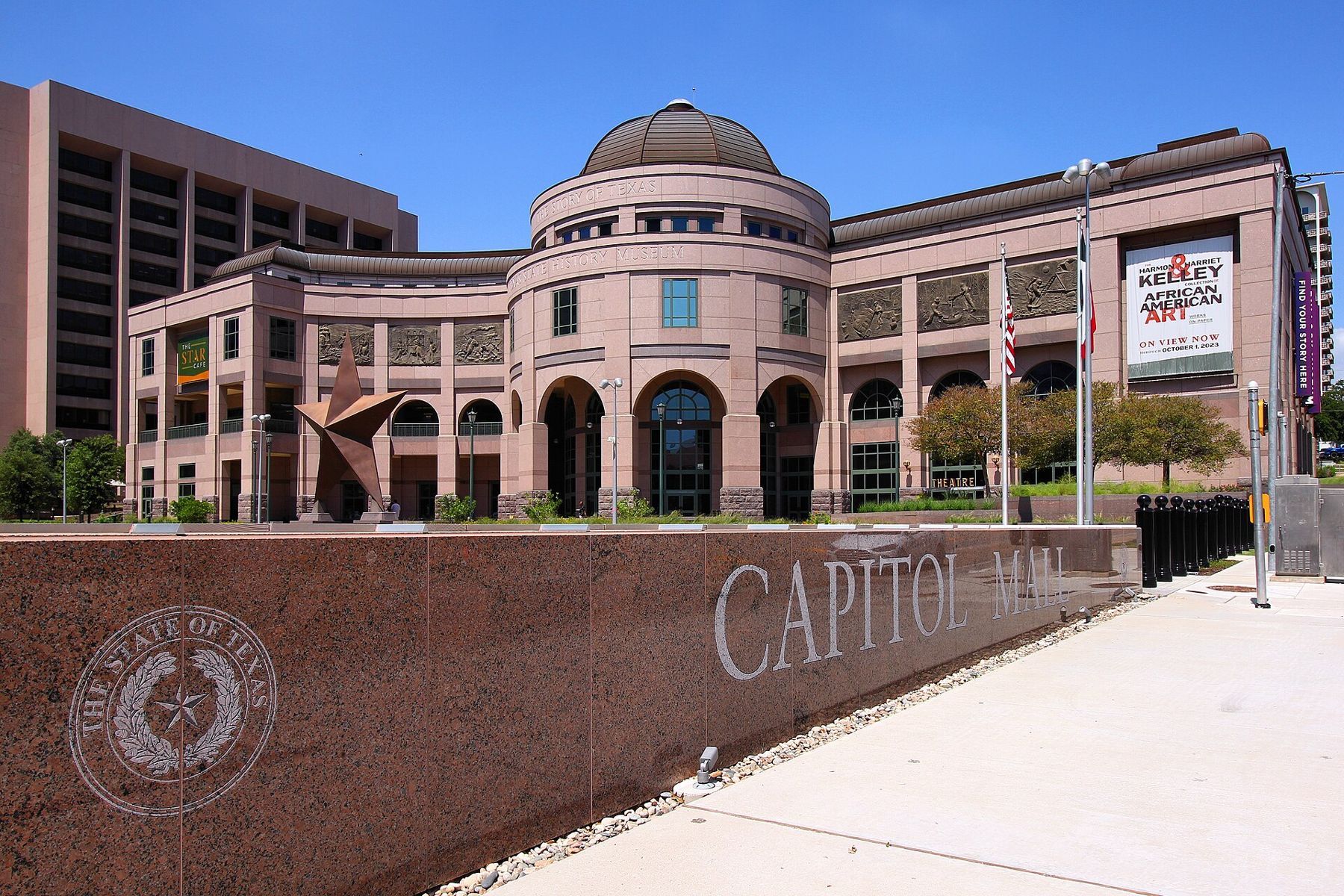
There is no single monument to the derby revival in Austin, but the city itself tells part of the story. The University of Texas campus, with its tall Main Building tower, sits just north of downtown. The State Capitol and the Bullock Texas State History Museum are a short walk away. Downtown and the neighbourhoods south of the river are where much of the city's music scene has always lived.
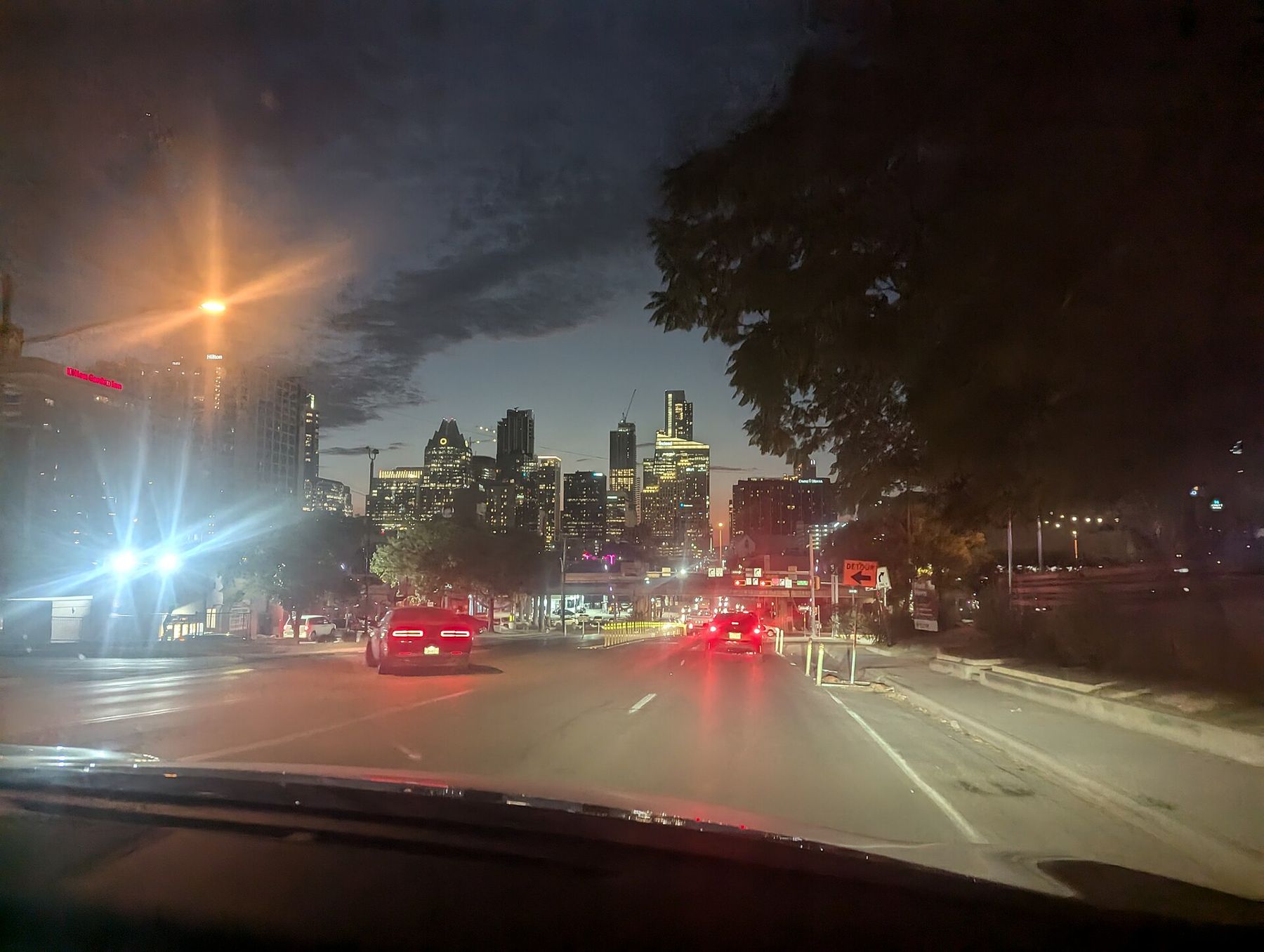
Derby is still very much alive in the city. Spring and autumn are the most comfortable seasons; summer heat in Austin is intense, and indoor venues can be a relief. For more on planning a trip, see the city guide to Austin for a derby weekend.
Wherever you watch roller derby today, from a sports hall in a small town to a championship arena, the game you are seeing owes its existence to what a group of skaters decided to do in Austin in the early 2000s. They built something that belonged to them, and they made it easy for everyone else to do the same.