Derby towns · Melbourne
Melbourne and Australian derby
Australia took to the flat-track revival early, and Melbourne became one of its strongest derby cities. How to find a game, get around by tram and make a weekend of it.
flat trackMuch of the year
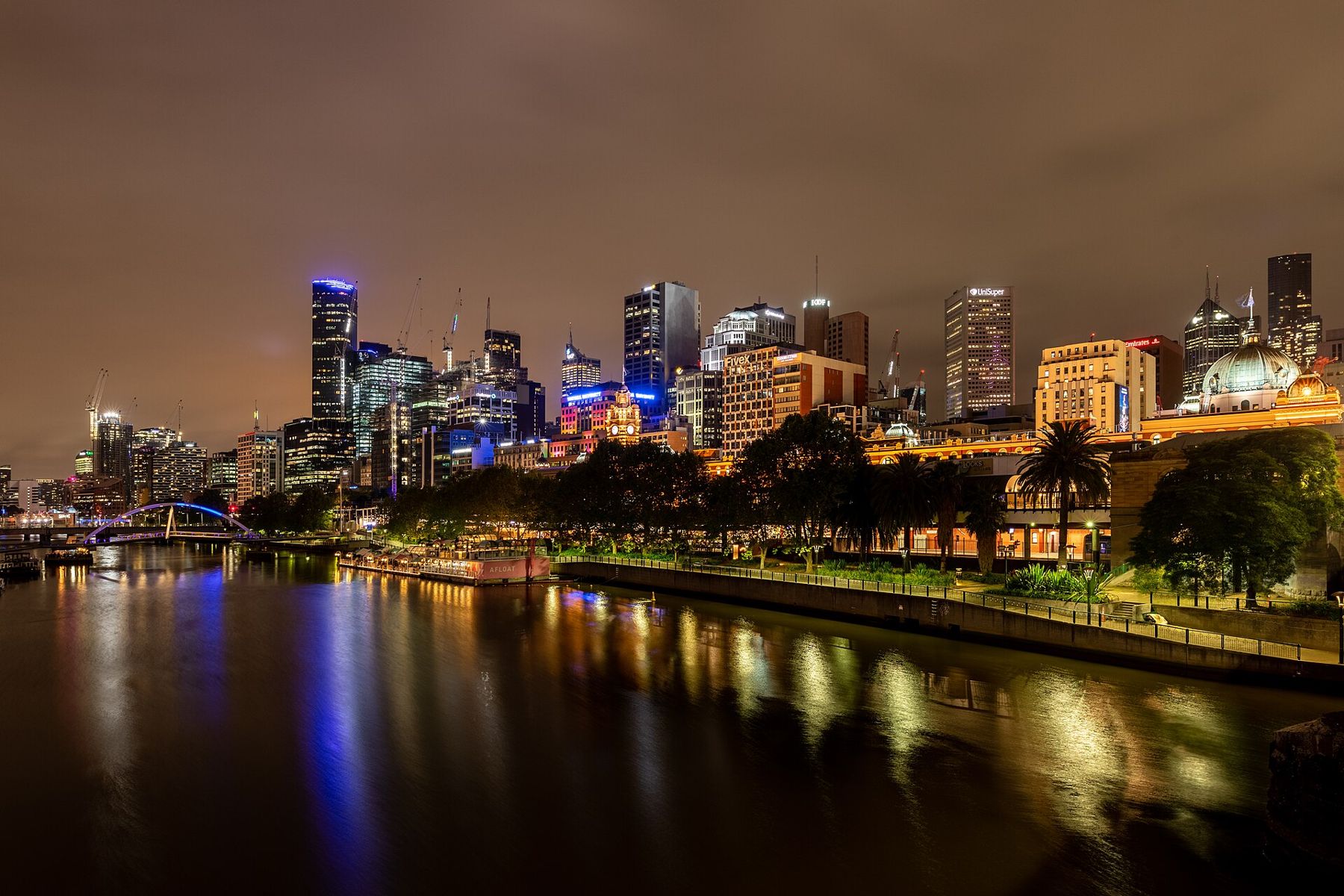
Roller derby reached Australia soon after the flat-track revival took hold in the United States, and Melbourne became one of the country's strongest derby cities. The local scene has produced teams that travel internationally, skaters who have played for the national team at the World Cup, and a crowd that knows the game well. For a travelling fan, it is a city where a derby weekend fits easily alongside everything else Melbourne does well.
The derby scene
The best-known league in the city is the Victorian Roller Derby League, a member of the Women's Flat Track Derby Association. Melbourne also has other leagues across its suburbs, including men's and junior programmes, so the number of games on a given weekend can be higher than you might expect. Australia also sends teams to the Roller Derby World Cup, and the guide to the World Cup and its host cities covers how those national squads fit into the wider sport.
Leagues here follow the shared flat-track rules, which are revised from time to time. If you know the game from North America or Europe, you will recognise everything from the first jam; if you do not, the guide to how a game works is a quick primer.
When games happen
Australian seasons run on a different calendar from the northern hemisphere, and leagues set their own schedules, so there is no single derby season to plan around. Home games, tournaments and travel games are spread through much of the year, with breaks for training and for the hottest weeks of summer.
Melbourne weather is famously changeable. A warm afternoon can turn cool and windy within an hour, and venues can be draughty. Bring layers even in summer, and a jacket for the trip home after an evening game.
Where games tend to be held
Derby in Melbourne has generally been played in suburban sports halls, community recreation centres and larger indoor venues for bigger events, rather than in the central city. Venues change as leagues outgrow buildings or lose bookings, so do not rely on an old address. Look up the game on the league's own pages a few days before, and check how close it is to a train station or tram stop.
Between jamsLondon, where European derby took offSeating is usually a mix of bleachers and floor-level seats near the track. Leagues mark a safety zone around the boundary, and some reserve the trackside rows for adults. The piece on your first game as a travelling fan covers the etiquette in general.
Arriving and moving about
Melbourne Airport sits northwest of the city. Airport buses run into the centre, terminating at Southern Cross Station, which is also the hub for regional and suburban trains. Taxis and rideshare are available, though traffic into the city can be slow at busy times.
Once in the city, the tram network is one of the largest in the world and is the easiest way to get around the inner suburbs. Trains reach further out, and buses fill the gaps. A rechargeable transport card covers trams, trains and buses. Within the central business district, a free tram zone has operated for some years.
Melbourne is also a good base for a wider Australian derby trip. Sydney, Adelaide, Brisbane and other cities have their own leagues, and domestic flights and long-distance trains link them. If you want to see more than one scene, check each league's calendar and look for a weekend when two home games fall close together, or for an interstate tournament that brings several teams to one place.
If your game is in an outer suburb, plan the return trip before you set off. Late services can be less frequent, and a long wait at a quiet station is a poor end to a good game.
Making a weekend of it
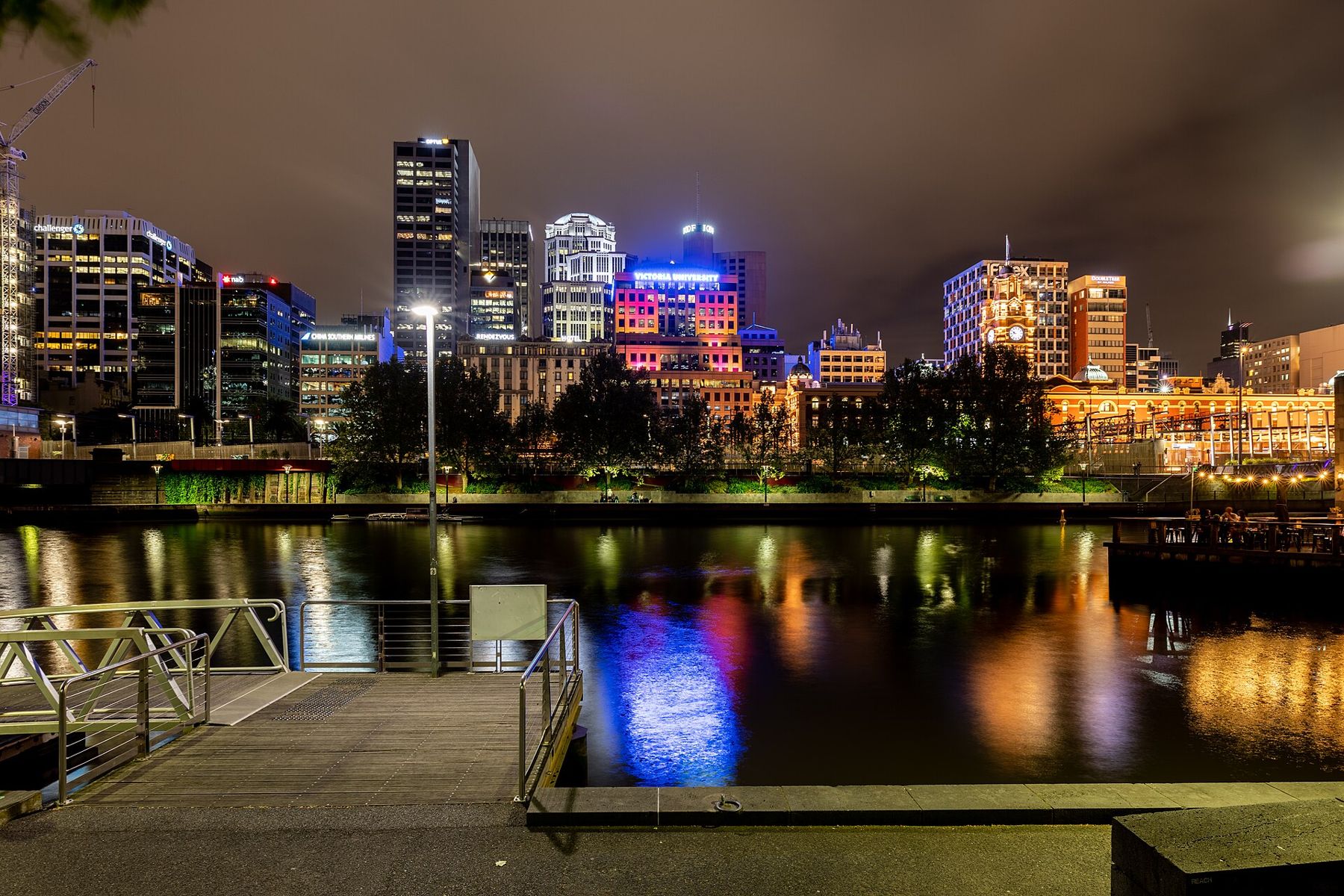
A derby game takes an afternoon or an evening, which leaves plenty of time for the city. The riverside paths along the Yarra are good for a walk before or after a game, and the area around Flinders Street Station and Federation Square is the obvious place to start exploring the centre. The laneways off the main streets are known for street art and small places to eat. The Royal Botanic Gardens are a short tram ride from the centre, and St Kilda, on the bay, is an easy trip for an evening by the water.
If you skate, ask the local league in advance whether visitors can join a practice or an open session. Many leagues welcome experienced guests with their own gear and insurance, but the rules differ, and the guide to skating with another league covers how to ask.
Odds and ends for the trip
- Australia's sun is strong even when the air is cool. Carry sunscreen if you plan to spend the day outdoors before an indoor game.
- Many derby games accept cards for entry and merchandise, but small volunteer-run stalls sometimes prefer cash. Check the league's guidance.
- If you bring skates from abroad, clean any dirt from wheels and boots before you fly. Australia's biosecurity checks on arrival are strict about soil and organic material.
- Tournament weekends draw visiting teams from interstate and abroad. If a big event is on, book your accommodation early.
Melbourne rewards the derby traveller with a scene that has depth, a transport network that reaches the halls, and a city that is easy to fill in the hours between games.