Derby towns · Los Angeles
Los Angeles and the banked track
Los Angeles is one of the few places where banked-track derby kept rolling. What makes a banked game different, and how to get to one without driving across the city.
flat and bankedMuch of the year
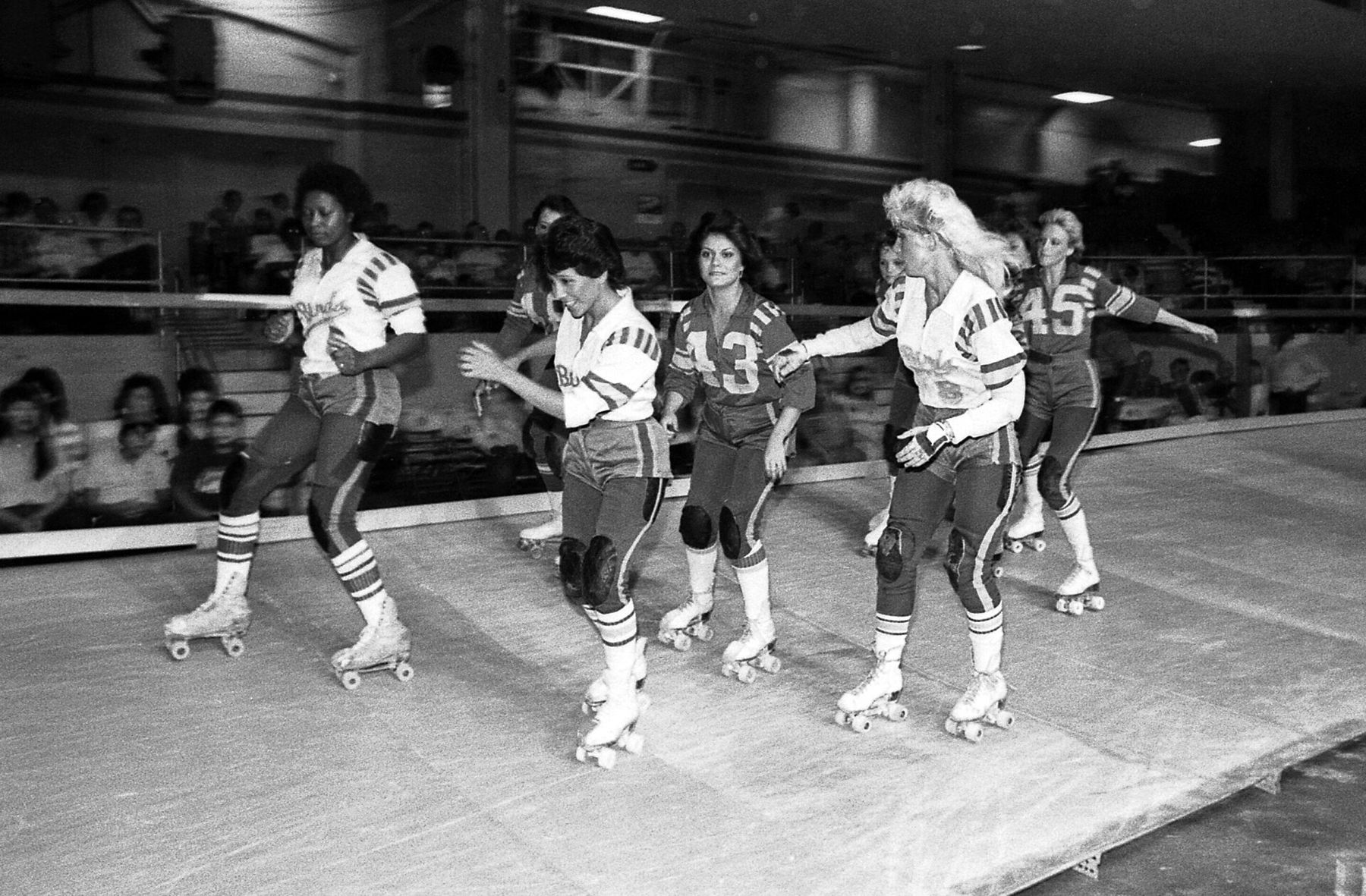
For most of the world, roller derby means a flat floor marked with tape. Los Angeles is one of the places where it also means something older: a raised wooden track with steep curves and a rail around the edge, and skaters carrying real speed into the turns. The city has a long banked-track history, a modern banked league and several flat-track leagues, which makes it one of the best places anywhere to see the two versions of the sport.
A banked-track city
In the decades after the Second World War, the banked track was the sport. Roller derby toured the country and filled television schedules, and the piece on the television era and the banked-track years covers that story. In the 1960s and 1970s, Los Angeles was also home to a rival televised banked-track show, with home teams skating in big local arenas in front of large crowds.
When the professional game collapsed in the 1970s, there were attempts to revive it, some of them based in Los Angeles. None lasted. The modern banked game in the city grew instead out of the skater-run revival of the 2000s, which started in Austin and is told in the piece on the Austin revival.
Banked and flat, side by side
Today, Los Angeles has a skater-run banked-track league as well as flat-track leagues that play under the shared rules of the governing bodies, plus men's and junior programmes. That mix is rare. In most cities, you can only see flat track; here, depending on the schedule, you may be able to see both in the same month.
Banked leagues run their own seasons and formats, and venues for banked derby are hard to keep, because a permanent banked track needs a big building.
What a banked game looks like
The basic structure is the same as on a flat track: jams, jammers trying to lap the pack and score, blockers trying to stop them. The guide to how a game works covers the flat-track version in general terms, and most of it carries over.
What changes is the speed. On the banked curves, skaters can stay in the turn without braking hard, so the pack moves faster and jammers can build momentum over a whole lap. Hits push skaters up the bank and toward the rail rather than out over a painted line. Falls look dramatic, but skaters train to slide and recover on the slope.
The rail also changes the crowd. Instead of sitting at floor level next to the track, fans usually watch from raised seats, looking down into the curves. Wheels on wood make a deep, building rumble, and a full building can be very loud. Earplugs are worth carrying, particularly for children.
The banked track also changes how skaters train. Learning to fall safely on a slope, to recover without sliding into the rail and to hold a line through a steep curve takes time, which is one reason banked leagues tend to be close-knit. Many of their skaters also play or have played flat track, and some move between the two surfaces through the year. Watching a skater you saw on a flat floor take a banked curve at speed is a good lesson in how different the two games are.
Banked rules differ from the flat-track rulebook and between banked leagues, and all rules are revised from time to time. Announcers usually explain the main calls, and the first few jams are enough to pick up the rhythm.
Between jamsFlat track and banked track: two different sportsGetting around Los Angeles without a car
Los Angeles has a reputation as a city where you cannot move without a car. That is less true than it used to be. Metro rail lines link downtown with Hollywood, Pasadena, Long Beach, Santa Monica and other areas, and an extensive bus network covers much of the county. A rechargeable fare card works on both. Union Station, downtown, is the hub for Metro rail and for regional trains.
The catch is distance. Venues for derby games can be a long way from downtown, and a journey across the region by public transport can take a long time. Before you go, map the trip from where you are staying, check how close the nearest station or bus stop is to the venue, and look at late-evening services for the return. Rideshare and taxis are widely available for the last stretch.
From Los Angeles International Airport, shuttle buses link the terminals with Metro rail connections, and services have been changing as transit projects around the airport open.
Making a weekend of it
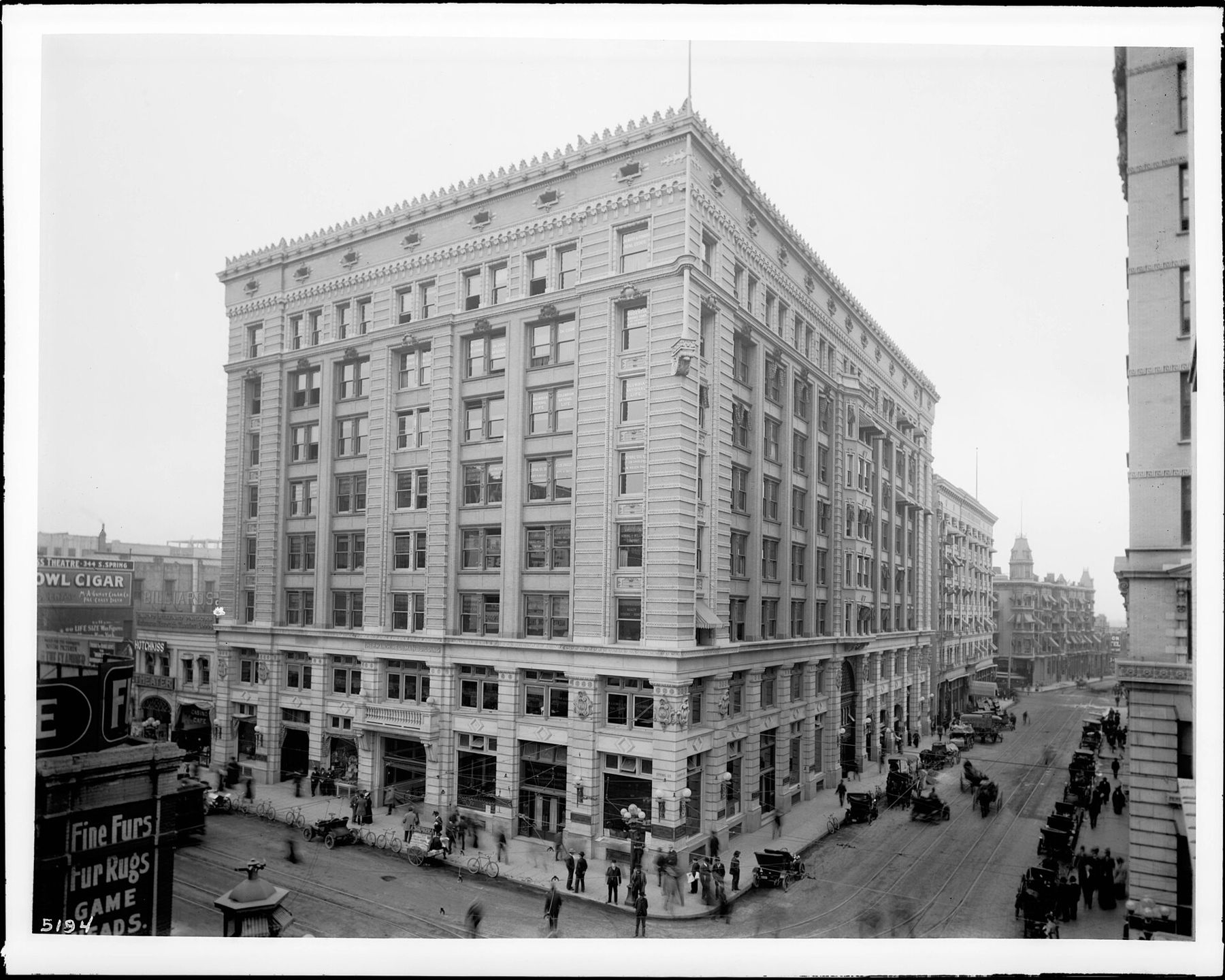
Pair a banked game with the city's long skating culture. The beach path along Venice and Santa Monica is a classic place for outdoor skating, and the guide to rinks and outdoor skating covers how to enjoy it safely. Downtown has historic buildings around Spring Street and Broadway, and Griffith Park offers trails and views across the basin.
If you have more than a weekend, look at the wider region. Southern California has several other derby leagues within reach of Los Angeles, and a long weekend can take in a banked game in the city and a flat-track game elsewhere.
Los Angeles weather is mild for much of the year, but evenings can turn cool, especially near the coast. Carry a light jacket for the trip home after a night game.
If you only know derby from the flat floor, a banked game in Los Angeles shows you where the sport came from and how fast it can be.