Where it came from · Bay Area
The television era and the banked-track years
Post-war television turned roller derby into a national spectacle, with a Bay Area home, theatrical rivalries and huge crowds, before the professional game folded in the 1970s.
banked trackMost of the year
For most of the twentieth century, roller derby meant one thing: professional skaters on a raised, banked track, playing for a promoter in front of big crowds and, increasingly, television cameras. The game that grew out of Leo Seltzer's 1935 endurance race reached its peak in the decades after the Second World War. Then it fell apart. Understanding that era explains a lot about why the modern revival looks the way it does.
Television finds roller derby
In the late 1940s, American television was young and short of live programming. Sports that were fast, easy to film indoors and full of drama were ideal, and roller derby fitted perfectly. The action took place on a compact oval that a camera could follow, the hits were spectacular, and every game came with a clear story of heroes and villains.
Derby broadcasts drew big audiences, and live crowds followed. Games in large arenas in New York and other cities sold well, and the sport became a fixture in many households. For a while, derby was one of the most widely watched sports on American screens. The popularity did not last at that level, but it established the sport as a national name.
The banked track and the show
The professional game of this era was played on a banked track: a raised wooden oval with steeply sloping turns. Banking let skaters reach high speeds and made falls look dramatic. Skaters were whipped around the turns, sent flying over the rail and slammed into the boards. The track itself was portable and could be set up in arenas from city to city, which suited a touring sport.
The rules were broadly similar to the modern game in shape. Teams sent out jammers and blockers, and points came from passing opponents. But the professional game also had a strong theatrical side. Rivalries were built up and played out over a season, villains taunted the crowd, and some fights and results were staged. Fans knew this to a degree and enjoyed it anyway, much as audiences enjoy professional wrestling.
The Bay Area years
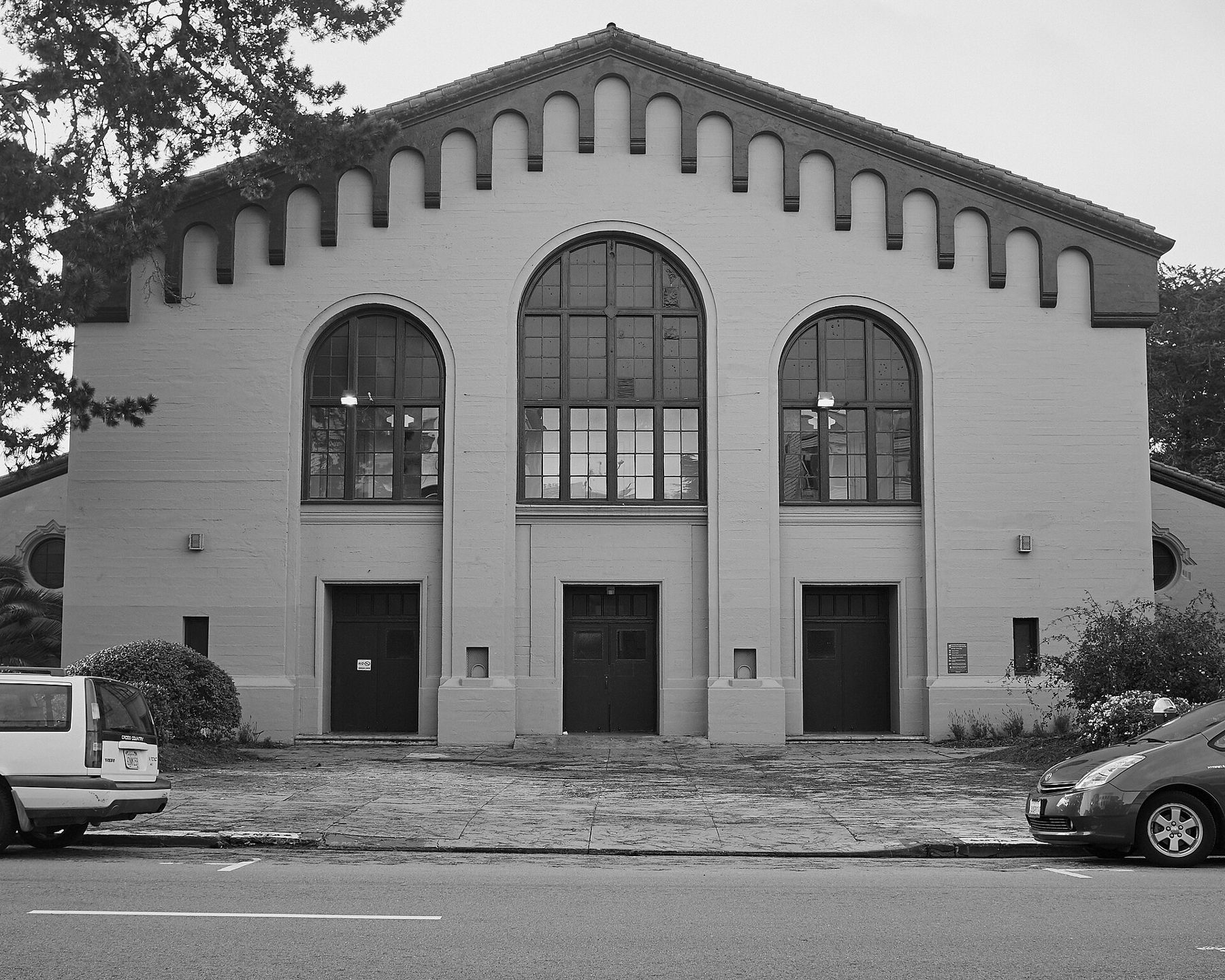
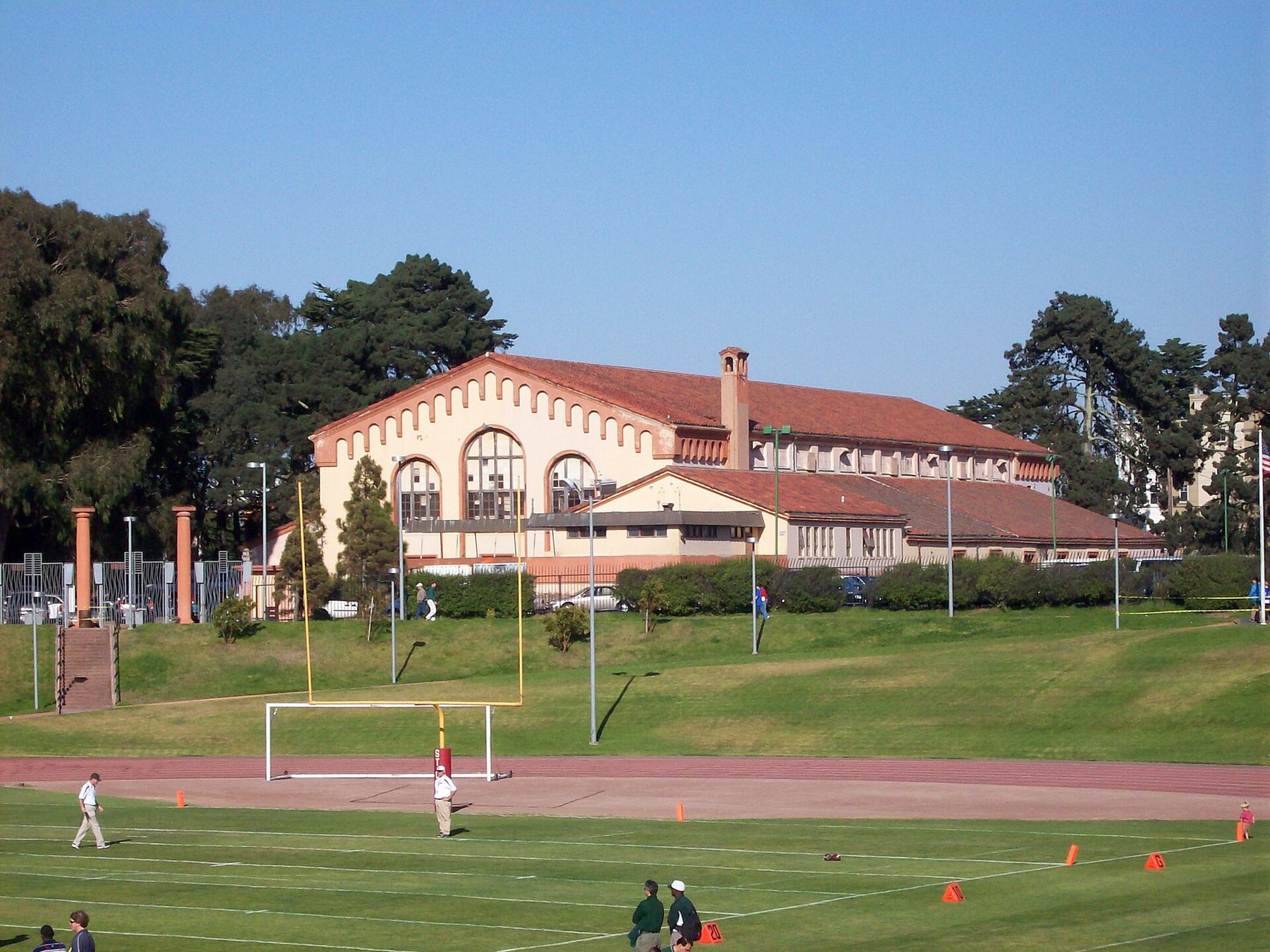
In the late 1950s, Seltzer's roller derby moved its base to the San Francisco Bay Area. The San Francisco Bay Bombers became the sport's best-known team, and Kezar Pavilion, a city gymnasium beside Kezar Stadium at the edge of Golden Gate Park, was one of the places closely linked with them. Games were recorded and distributed to television stations around the country, so viewers far from California could follow the Bombers and their rivals.
Between jams1935: the Transcontinental Roller DerbyThrough the 1960s, roller derby toured widely, filling arenas across the United States and taking the show abroad. A rival promotion based in Los Angeles ran its own league and its own televised games, also on a banked track and also with a theatrical edge. For fans, it meant two competing versions of the same spectacle. The guide to Los Angeles and the banked track picks up where that rival tradition led.
Kezar Pavilion still stands near Kezar Stadium. It is a working public building rather than a museum, but it is a good stop if you are in San Francisco and curious about the era. The surrounding area, including Golden Gate Park and the Haight, makes for an easy afternoon on foot.
The collapse of 1973
By the early 1970s, the business was under strain. Running a touring sport with a portable track, a large roster of professional skaters and a travelling crew was expensive. Rising costs, including the price of fuel, hit hard. In 1973, the original professional Roller Derby organisation shut down. The rival league carried on in some form for a while, but the golden years were over.
For many fans, it was the end of the sport. Skaters who had built careers on the banked track found themselves without a league, and the game largely vanished from television schedules.
The sport survived in smaller ways. Former skaters coached, some local and amateur games carried on, and old broadcasts kept the memory alive for a generation of fans who had grown up watching the Bombers on a Saturday. Those memories would matter when a new generation went looking for the game.
Revivals that did not stick
Over the following decades, several attempts were made to bring professional roller derby back. Some returned to the banked track and the theatrical format; at least one late-1990s television revival switched to inline skates and leaned heavily into entertainment. None of them lasted long. Each depended on a promoter and a television deal, and each faded when the money or the audience did.
The revival that finally stuck came from a different direction altogether. In the early 2000s, skaters in Austin, Texas, built leagues they owned and ran themselves, with no promoter at the top and no scripts. That story is told in the guide to Austin, 2001: the revival that stuck. Some of those skaters kept the banked track alive, while most of the new game moved onto a flat floor, a split explained in flat track and banked track.
Seeing the legacy today
The theatrical professional era is gone, but its influence is everywhere. Today's banked-track leagues keep the sloping oval and the speed. The flat-track game keeps the jammers, blockers and points-for-passes structure. Even the habit of giving skaters bold names and teams loud identities goes back to the professional days.
If you visit San Francisco, the fog can roll in at almost any time of year, and the warmest, clearest days often come in early autumn. Muni buses and light rail reach the edges of Golden Gate Park. Check local derby schedules too; modern leagues play in the Bay Area, and venues change from season to season.