Skates in the luggage · Anywhere
Rinks and outdoor skating on a derby trip
Derby grew out of roller rink culture, and that culture is still out there: old wooden rinks, public sessions, and outdoor skating in parks and along the seafront.
off the trackOutdoor: warm dry months
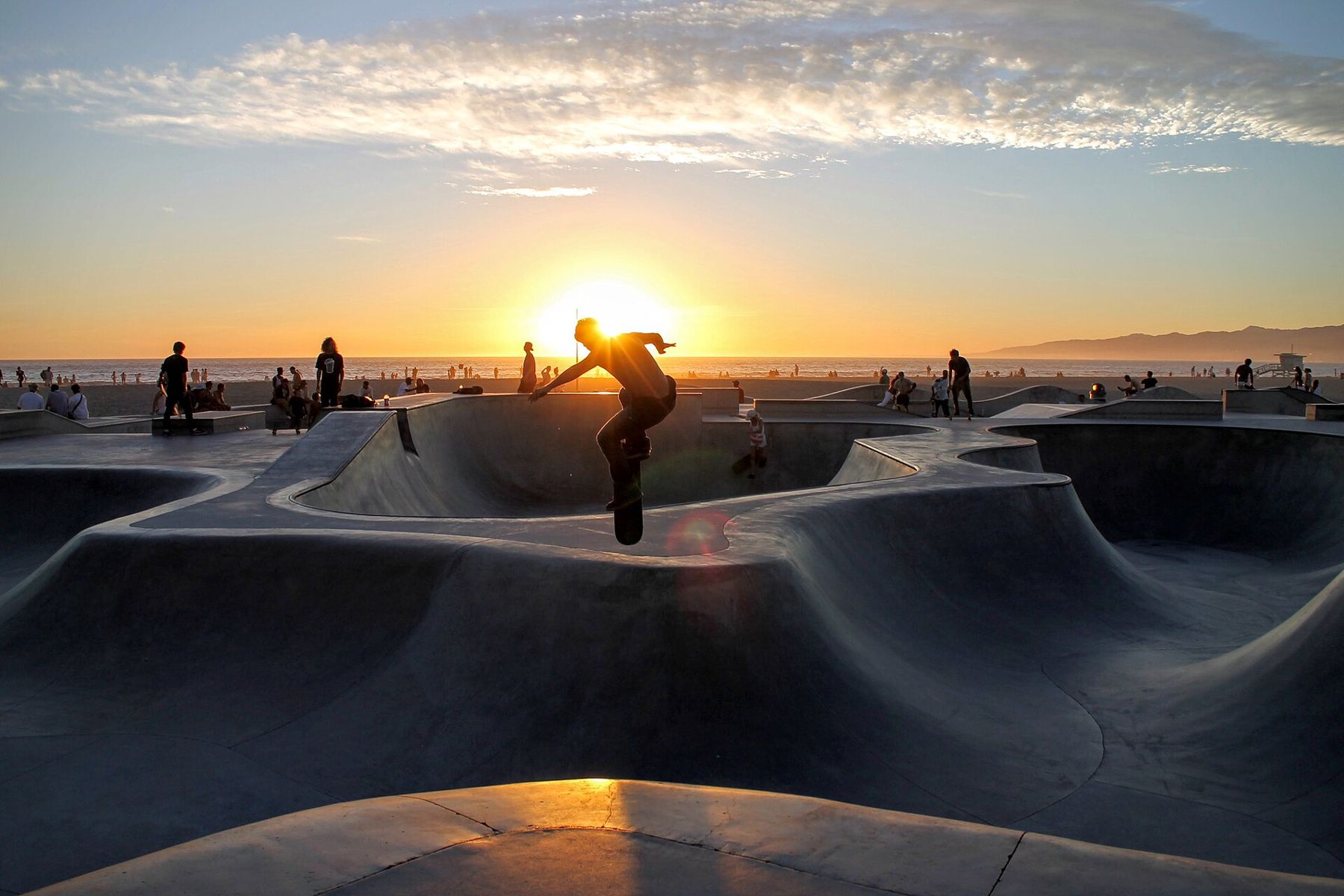
Roller derby did not appear from nowhere. It grew out of a much older skating culture: rinks with wooden floors and organ music, public sessions on Saturday nights, and skaters gliding along seafronts and through city parks. On a derby trip, that wider culture is worth seeking out. It gives you more time on wheels, a feel for the place you are visiting and a link to the sport's past.
A short history of the rink
Roller skating boomed more than once. Rinks spread through cities and towns in the late nineteenth century and again in the twentieth, and for generations the local rink was a place to meet friends, dance and race. The endurance races that became roller derby, told in the piece on the 1935 Transcontinental Roller Derby, drew on that popularity.
Many old rinks closed as tastes changed and land values rose, but some survive, often with original floors, period decor and a loyal following. A number of derby leagues practise in roller rinks, and some still play games in them.
Visiting an old rink
A traditional roller rink is a good place to warm up on a derby trip, especially if you cannot join a guest practice. Most rinks run public sessions, often with themed nights, music and lighting. Some have adult-only evenings, and some run skate dance or rhythm sessions.
Many rinks rent skates, but you may be allowed to use your own as long as wheels and toe stops are in good condition and suit the floor. Ask before you skate on derby wheels or with aggressive toe stops, and keep your speed in line with the crowd. Public sessions are full of families and beginners, and full derby speed is not welcome.
If you want something closer to derby, ask whether the rink hosts a local league's practice or a recreational derby session for visitors. The guide to skating with another league covers how to ask.
Between jamsFlying with skates and padsOutdoor skating in public places
Outdoor skating is the easiest way to explore a city on wheels. Promenades, park paths and large public squares all attract skaters, and many cities have a recognised spot where people gather to roll, dance and practise tricks.
Los Angeles has one of the best-known: the beach path at Venice, where skaters have rolled for decades. The guide to Los Angeles and the banked track pairs it with a banked derby game. In New York, Central Park has a long-standing skate dancing circle, and the parks of many big cities have paths that suit a long, steady skate. Seafront promenades in places like St Kilda in Melbourne attract skaters on warm evenings.

Some cities have purpose-built outdoor tracks in public sports parks, used for speed skating, club training and casual sessions. These are worth a look if you want a smooth surface and space to stretch out, but check whether public use is allowed and when.
Indoors, some cities still have large public sports halls or ice rinks that switch to roller sessions out of season, and community centres sometimes run roller nights for all ages. These are often the friendliest places to skate on a trip, and a good way to meet local skaters who can point you toward outdoor spots, group skates and the next derby game in town.
Gear for outdoor skating
Indoor derby wheels are hard and grippy on a smooth floor, but they skid and vibrate on asphalt. Outdoor wheels are softer and usually larger, and they make rough surfaces far more comfortable. If you plan to skate outside, bring a set or ask a local skater where to find some.
Wear your full pads and helmet. Falls on concrete hurt more than falls on a sports floor, and outdoor surfaces hide cracks, gravel and drainage grates. Sun protection and water matter too, especially in hot climates.
When you finish, clean your wheels and bearings before putting your skates away, and clean everything properly before you fly, because some countries check sports gear for soil at the border.
Staying safe and polite
- Respect local rules. Some paths, squares and promenades ban skating or restrict it to certain times. Look for signs and follow them.
- Share the space. Pedestrians, cyclists and children have as much right to the path as you do. Slow down near crowds.
- Know your exit. Before you build up speed, know where you can stop, and avoid steep hills unless you are confident.
- Skate with others where you can. Local skate groups often organise social skates and will show you good routes.
- Check the weather. Wet surfaces are slippery, and wheels and bearings do not like rain.
Skate culture beyond derby
Skating has many scenes beyond roller derby: rhythm and jam skating, artistic and speed skating, park and street skating, and long-distance group skates through city streets. A derby trip is a good excuse to try one. Watch a skate dance circle, join a social group skate or spend an hour at an outdoor park.
Pair those sessions with a game, and you will see the whole range of what skating can be. The guide to your first game as a travelling fan covers the derby side of the trip.
Wherever you go, skating gives you a way to see a city at a different speed, and a reminder of the rink culture that gave roller derby its start.